
Understanding the impact of ultra-high potency APIs
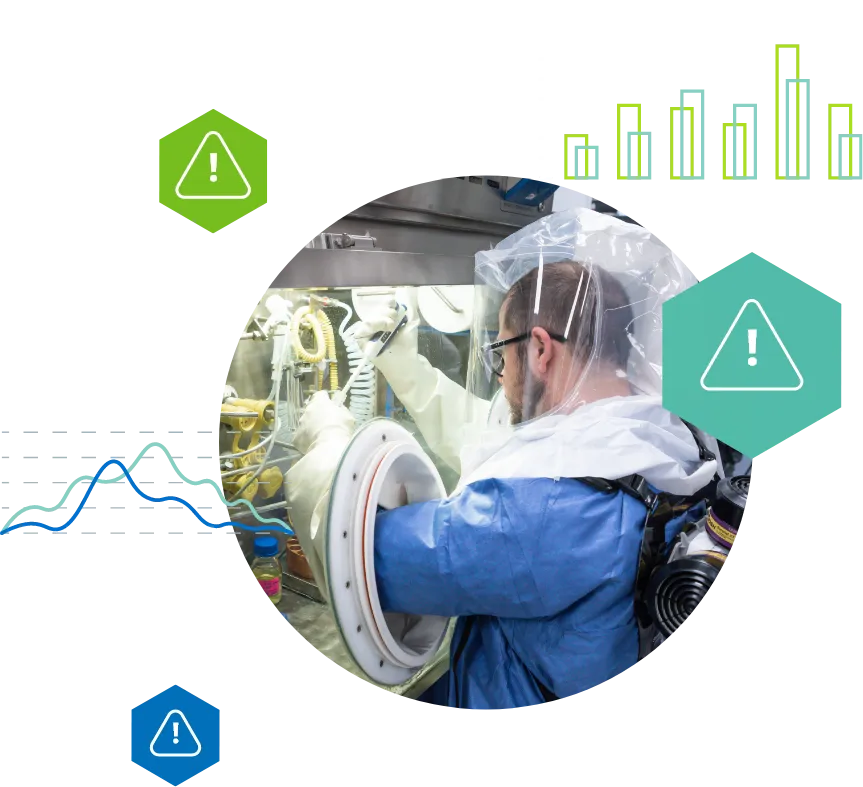
As therapeutics become more targeted and personalised, ultra-high potency APIs (UHPAPIs) are emerging as a powerful tool in oncology treatment, precision medicine, and other major therapeutic areas. These compounds are often far more potent than standard APIs, with occupational exposure limits (OEL) in the nanogram or picagram range.
With the advent of new modalities and drug delivery technologies like drug conjugates, molecules thought to be previously “undruggable” due to their narrow or upside-down therapeutic index and off-target toxicity are now being used in APIs. However, this requires customised containment measures, specialised manufacturing approaches, and advanced analytical techniques to handle some of the most toxic known compounds in the preparation of these APIs.
What’s driving the continued growth of UHPAPIs? And what sets them apart from other APIs? Keep reading to learn more.

The global HPAPI market is expected to reach
$60.02 BILLION
by 2033, up from $26.27 billion in 2023.1

AROUND 30%
of pharmaceutical development projects today focus on HPAPIs.2
Smaller dose, greater impact
See how UHPAPIs stack up to standard APIs and HPAPIs.
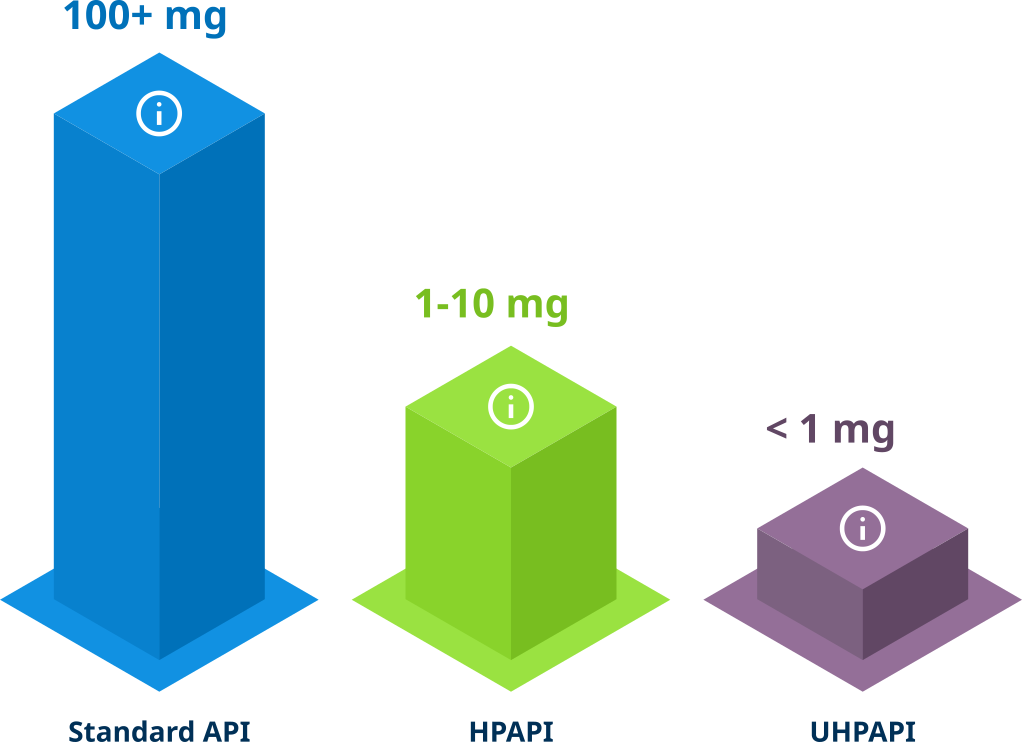



HPAPIs vs. UHPAPIs: Addressing development and manufacturing challenges
Manufacturing HPAPIs is complex, requiring strong containment measures and thorough analysis to protect workers and product throughout the process. UHPAPIs require even more stringent containment and access controls, higher sensitivity analytical methods, and deeper expertise to be able to safely and successfully develop and manufacture them.
Standard HPAPIs
UHPAPIs

Exposure limits
Occupational exposure limit (OEL) of 1 μg/m³ or higher
OELs in the nanogram/m³ or picogram/m³ range

Containment
Flexible containment, glove boxes, process downflow booths; installation verification.
Hard-walled isolators with active extraction and HEPA filtration
Analytical methods
Standard analytical instrumentation
Micro-scale methods (due to batch size limitations), mass spectrometry instrumentation for residue monitoring

Manufacturing & process design
Typical API processing steps in containment systems
Smaller batch sizes due to material volume demands, use of telecsoping and other strategies to minimise powder handling

Cleaning
Cleaning with standard validation
Single-use or dedicated equipment preferred, or rigourously validated cleaning procedures

Purification & yield
Crystallisation, filtration, and drying
Limited isolations, may require chromatography for purification with lyophilisation isolation due to molecule complexity and material conservation
Navigating rising potency with a dedicated partner
New modalities and drug delivery conjugate designs using ultra-high potent molecules are offering powerful previously “undruggable” treatment options in oncology and beyond. However, their complexity requires state-of-the-art containment infrastructure, purification, and analytical capabilities, all with a partner with demonstrated expertise in their development.
At Sterling, we have a rich heritage of API development and commercialisation. Coupling our deep chemical and analytical development experience with over a decade of investment in containment, analytical instrumentation, and purification capabilities in development and manufacture makes us the ideal partner for UHPAPI programmes.
With flexible, scalable solutions and a collaborative approach, we tailor our processes to meet the unique demands of your project and ensure safe, efficient, and high-quality UHPAPI development and manufacture.

The HPAPI contract manufacturing market is expected to grow at a
10.93% CAGR THROUGH TO 2033.4
A look at our capabilities
- Configurable containment down to <0.001µg/m³
- Fixed and single use containment equipment
- GLS/Hastelloy reactors up to 100L
- Lyophilisation with 30L capacity
- High-pressure chromatography
- GMP manufacturing for HPAPIs up to 10kg batch size
Ready to take the next step?
- https://www.biospace.com/press-releases/high-potency-api-market-size-to-worth-around-us-60-02-bn-by-2033
- https://www.contractpharma.com/hpapis-soar-riding-the-targeted-drugs-wave/
- https://www.drugs.com/dosage/sirolimus.html
- https://www.biospace.com/press-releases/high-potency-api-contract-manufacturing-market-size-to-hit-usd-23-00-bn-by-2034


